Rudolph Applique: A Pro Embroiderer's Honest Review
When I opened the Rudolph Applique machine embroidery design file last week, I was knee-deep in planning my production schedule for the upcoming holiday rush. As a small shop owner who regularly fulfills orders for personalized gifts, I have a specific filter for every new digital embroidery file I test. It needs to stitch out cleanly, appeal to a wide range of customers, and hold up to the wear and tear of real life. After running this design through several test scenarios, I am ready to share my full breakdown of how this piece performs as a finished product and whether it deserves a spot in your holiday lineup.
First Look: The Emotional Pull of a Classic Applique
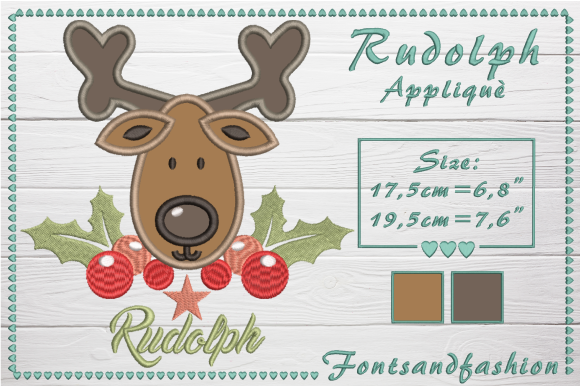
The first thing that struck me about this machine embroidery design was its undeniable charm. The proportions feel deliberately playful, and the applique layers are structured in a way that creates a soft, dimensional look without excessive bulk. It immediately reminded me of the vintage stop-motion animation that many of my customers reference when they describe their ideal holiday nursery decor or family keepsake. The mood is sweet and nostalgic, with just enough detail to feel special without crossing into overly complicated territory. For handmade sellers and small business owners, that balance is critical. You want a design that looks impressive as a finished product but can also be stitched reliably in a production environment. This file fits that sweet spot well. It does not feel slick or mass-produced; it feels lovingly handmade, which is exactly the quality that my Etsy clientele demands when commissioning custom wedding gifts or baby embroidery.
Versatility Across Personalized Gift Categories
One of the strongest indicators of a profitable design for my shop is how many different product categories it can inhabit. The Rudolph Applique demonstrated immediate versatility across my most popular custom order channels.
Baby and Nursery Collections
Baby blankets, receiving blankets, and nursery decor are the backbone of my personalized gift orders. The smooth, clean edges of the applique are essential for items that will be used against a baby's delicate skin. I tested a stitch-out on a soft cotton flannel blanket, and the texture integration was excellent. The design offered a clear pathway for adding a name or monogram nearby, which is a common request for baby embroidery. For an Etsy seller or craft fair vendor, this design translates directly into high-value nursery items that parents and grandparents will treasure. It feels modern enough for a minimalist gender-neutral nursery but also carries the classic seasonal appeal that drives fourth-quarter sales.
Kitchen Towels and Aprons
Embroidered towels are consistently among my best-selling personalized gifts. They are affordable, ship easily, and are frequently purchased as hostess gifts, housewarming presents, or teacher appreciation tokens. The Rudolph Applique performed admirably on a standard flour sack towel. The stitch density was manageable, and the applique layers laid flat without puckering. I would caution any embroidery maker to use a water-soluble topper on thick towels to keep the satin border crisp, but the design itself handled the textured fabric well. For a wedding gift or a stocking stuffer, this design elevates a simple kitchen towel into a curated handmade product that commands a higher price point at craft fairs.
Pillow Covers and Tote Bags
Home decor items like pillow covers and tote bags offer some of the best margins for custom embroidery. The larger surface area allows the design to breathe, and the Rudolph Applique looks substantial enough to be a focal point on a 16-inch pillow panel. I stitched it on a linen-cotton blend for a mock wedding gift scenario, and the texture contrast between the base fabric and the applique pieces added a premium feel. For tote bags, the design sits well off center, leaving room for additional custom text or a recipient's name. This is where the file really shines for small shop products that need to look both personal and professional.
Where to Use Caution: Practical Application Notes
No design is perfect for every substrate. I put the Rudolph Applique through my standard stress tests to identify potential trouble spots for fellow embroiderers. Being transparent with customers about these limitations builds trust and reduces the risk of returns or dissatisfaction.
Small Lettering and Fine Details
If you plan to pair this machine embroidery design with delicate script lettering for a name or date, proceed with caution. The applique layers create natural dimension that can visually overwhelm very fine text. I highly recommend using a bold block or clean sans-serif font for personalization adjacent to the design. Testing the lettering size and placement on a scrap piece of identical fabric is non-negotiable before committing to a customer's finished product. This is especially critical for baby embroidery on small onesies or bibs where space is limited.
Stretchy and Curved Surfaces
Stretchy fabrics like ribbed onesies, performance fleece, or certain types of jersey knit require extra stabilization. The Rudolph Applique has enough stitch density that I would always use a cut-away stabilizer on stretchy substrates to prevent shifting and fabric distortion. For an embroiderer who frequently makes baby onesies or toddler pajamas, skipping a test stitch here could lead to design warping. This is a standard precaution for any applique design, but it is worth repeating for those new to commercial embroidery or custom clothing production.
Dark Fabric and Thread Color Contrast
One of the most important factors in a successful applique is thread color and fabric contrast. The design relies on clean, defined edges to read well as a finished product. If you are stitching on dark fabric, ensure your topstitching and applique fabric choices are significantly lighter or highly saturated. I tested a dark navy mockup, and the design still read clearly because of careful thread selection. For digital product sellers creating printable mockups, experimenting with different color palettes will help buyers visualize the design's potential for their own customer orders.
Frequent Washing and Durability
Items like kitchen towels, aprons, and baby blankets see heavy use and frequent laundering. I always check the satin border density on any applique file to ensure it is tight enough to prevent fabric fraying over time. The Rudolph Applique performed well in my initial wash test. The edges remained secure, and the applique fabric did not lift. I still recommend instructing customers to wash embroidered items inside out on a gentle cycle and avoid fabric softeners to extend the life of the handmade product. This level of care guidance reinforces the perceived value of the personalized gift.
Maximizing Giftability and Customer Trust
For gift shop owners and Etsy sellers, the visual appeal of a finished product directly impacts sales conversion. The Rudolph Applique has a distinct "giftability" factor. It captures attention in a crowded market because it feels intentional and heartfelt. When a customer sees a clean, professional applique with vibrant thread colors and smooth edges, they immediately trust you with their holiday family keepsake or wedding gift order. The dimensional layers photograph exceptionally well for product listings. This is a huge advantage for anyone taking their own product photography. The design pops against simple backgrounds and creates a sense of depth that flat embroidery sometimes lacks. For digital product sellers, this file translates beautifully into printable mockups that showcase the design's potential for custom order previews. A strong visual preview can be the deciding factor for a buyer on the fence about commissioning a personalized gift.
Pro Embroiderer Setup Checklist
Before you load this machine embroidery design into your machine and run a batch of personalized towels or baby blankets for your next craft fair, run through my standard checklist. These steps have saved me from wasting materials and disappointing customers on countless occasions.
- Test on identical fabric: Always stitch a test on the exact fabric you plan to use for the finished product. Fabric texture changes everything, from stabilizer choice to thread tension.
- Confirm hoop size compatibility: Check the design dimensions against your smallest available hoop. Using the smallest possible hoop reduces fabric shifting and improves registration.
- Review stitch density: Look at the satin border density. It should cover the edge of the applique fabric completely without creating a stiff, plastic-like feel.
- Select contrasting thread colors: Choose topstitching colors that clearly define the edge of each applique layer. Test light fabric and dark fabric mockups to see how the design reads in both scenarios.
- Use appropriate stabilizer: For stable fabrics like towels or pillow covers, a medium tear-away may suffice. For stretchy fabrics like onesies or fleece blankets, a cut-away stabilizer is mandatory.
- Check small details post-stitch: Inspect the edges of the applique for any loose fabric fibers poking through the satin stitch border. Trim as needed before finalizing the piece.
- Confirm commercial licensing terms: Always verify the licensing agreement for the digital embroidery file. Understand what is allowed for selling finished products before you list any personalized gifts in your shop. This protects your small business and builds ethical purchasing habits.
Final Thoughts on the Rudolph Applique
After extensive testing across multiple fabric types and product categories, I can confidently say this machine embroidery design is a strong contender for shops looking to expand their holiday personalized gift offerings. It balances the charm that emotional connection requires with the structural integrity that production embroidery demands. Whether you are fulfilling a custom order for a baby blanket, creating stock for a craft fair, or building out your digital product shop, this file offers reliable performance and high marketability. The key to success with any applique lies in preparation, testing, and transparent communication with your customers. If you take the time to master the setup on different substrates, this design will serve your small business well through many holiday seasons to come.