Silly Rabbit Easter Is for Jesus: A Faith-Filled Embroidery Design Review
When I first opened the Silly Rabbit Easter is for Jesus embroidery file, I will admit I smiled. There is something about this design that manages to balance childlike whimsy with a deeply reverent message. As someone who tests dozens of machine embroidery designs each month for our personalized gift shop, I have learned to spot which designs will sell well and which will sit untouched in a digital folder. This one belongs firmly in the first category. It is cheerful without being saccharine, faith-filled without feeling preachy, and the phrase itself has a conversational charm that invites curiosity. Let me walk through what I found during my hands-on test, so you can decide if this design belongs in your shop rotation.
First Impressions: Mood, Detail, and Emotional Appeal
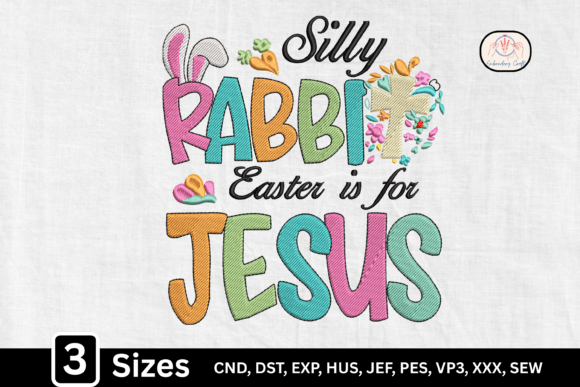
The moment I previewed the Silly Rabbit Easter is for Jesus design on my screen, I noticed how the lettering carried a friendly, hand-drawn quality. This is not a stiff, formal font. It feels like something you would see on a handmade card from a loved one. The word Silly softens the theological weight of the rest of the phrase, making it approachable for young children and adults alike. For a personalized gift, this emotional tone is gold. It tells the recipient that faith can be joyful, warm, and even playful.
The design feels both seasonal and classic. It speaks specifically to Easter, but it is not overloaded with bunnies, eggs, or pastel frills. The focus stays on the message, which means it works beautifully for Christian Easter celebrations without competing with secular imagery. I found the detail level moderate, which is ideal for machine embroidery. It has enough nuance to look custom and intentional, but not so much that it becomes a frustration on textured or delicate fabrics.
From an emotional standpoint, this design connects with customers who want their gifts to say something meaningful. It is not just a decorative pattern. It is a statement of belief, wrapped in a gentle, memorable phrase. For baby embroidery, wedding gifts, and family keepsakes, that emotional depth matters. It transforms a simple towel or blanket into a conversation piece.
Best Uses for Personalized Gifts and Handmade Products
After running several test stitches, I can recommend this machine embroidery design for a wide range of finished products. Here is where it truly shines:
- Baby blankets and nursery decor – The phrase feels like something a grandmother would stitch for a new arrival. It works well on soft flannel, minky, or cotton receiving blankets. The message grows with the child.
- Kitchen towels and aprons – I tested it on a linen-blend towel, and the stitch out was clean. For a personalized gift for a hostess or a church volunteer, this design adds a thoughtful, handmade touch.
- Pillow covers and throw pillows – Whether for a porch swing or a reading nook, the faith-filled phrase makes a lovely accent piece. Use a contrasting thread color to make the letters pop.
- Tote bags and market bags – This is an excellent option for Etsy sellers looking to offer custom totes for Easter giving. The design is compact enough to fit on a standard tote without crowding.
- Wedding keepsakes and gifts – Believe it or not, many Christian couples appreciate faith-centered embroidery for their wedding day or first Easter together. It works on ring bearer pillows, gift bags, or personalized handkerchiefs.
- Aprons for family baking or church events – A playful apron with this message is a guaranteed smile at a church potluck or family gathering.
For craft fair products and custom order previews, this design gives you a strong hook. Customers who see it at a booth will often stop to ask, What does that mean? That opens a conversation about faith, Easter traditions, and the gift you can make for them. It builds customer trust and shows that you care about the meaning behind your work.
Where to Use This Design with Care
No embroidery design is perfect for every surface, and I always advise testing before committing to a production run. Here are the areas where I recommend extra caution with the Silly Rabbit Easter is for Jesus file:
- Small lettering and delicate details – The design has several letters that could become muddy if stitched too small. Always check the hoop size and stitch density before shrinking the file. If your embroidery machine struggles with fine details, run a test on scrap fabric first.
- Textured fabric like thick towels or fleece – High-pile fabrics can swallow thin lettering. Use a stabilizer designed for textured surfaces, and consider a topping film to keep the stitches crisp. An embroidered towel is a fantastic product, but it requires the right preparation.
- Stretchy baby clothes or knitwear – Onesies and stretchy cotton can distort the design if not stabilized properly. I recommend a cutaway stabilizer and a light temporary adhesive spray to keep the fabric flat during stitching.
- Curved surfaces like baby bibs or bottle covers – Hooping a curved item takes practice. Make sure the design is centered and the fabric is smooth before you start. Small shifts can throw off the alignment of multi-letter phrases.
- Dark fabric – If you stitch this design on black or deep navy, choose a thread color that provides strong contrast. Metallic or bright white thread can keep the message readable. Always check your fabric texture and thread combination in natural light.
- Products that need frequent washing – For baby items, kitchen towels, or aprons that will see heavy use, use a high-quality polyester thread and a dense enough stitch to withstand laundering. Test wash a sample to confirm the design holds up.
How This Design Affects Giftability and Perceived Value
In my experience, a handmade product with a thoughtful message sells for a higher price than a generic decorative stitch. The Silly Rabbit Easter is for Jesus design gives you that advantage. It feels intentional. It tells the buyer that you invested time selecting a design that aligns with the recipient's values. For an Etsy seller or a small shop product, this translates directly into buyer engagement and positive reviews.
When I photographed the finished stitch on a soft cream towel, the image had immediate warmth. The printable mockup I created for our digital embroidery file listings looked clean and professional. Good product photography matters. A design like this, with its clear message and appealing lettering, photographs well in natural light. Customers can easily imagine it on their own personalized gift item.
Perceived value also rises when the design aligns with a customer's faith. Buyers searching for Christian Easter gifts often struggle to find something that feels both sacred and charming. This design fills that gap. It feels sweet and playful without being silly, and elegant in its simplicity. For a wedding gift or a baby embroidery project, that balance is hard to beat.
Practical Embroidery Notes Before You Sew
Before you add this design to your production lineup, take these steps. They will save you time, thread, and frustration:
- Test on scrap fabric – Always run a sample on a piece of fabric similar to your final product. Check for skipped stitches, thread breaks, or distortion in the lettering.
- Check thread color contrast – The design works beautifully in bright white, soft pastels, or bold primary colors. Test at least two colorways before offering it to customers.
- Confirm hoop size – The hoop size required for this design depends on the file dimensions. If the information is not listed in the product description, open the file in your embroidery software and measure it. Do not assume it fits your standard hoop.
- Review stitch density – Dense designs can cause puckering on lightweight fabrics. If the stitch density feels high, consider using a heavier stabilizer or reducing the stitch count in your editing software if you are comfortable doing so.
- Use proper stabilizer – For most woven cotton and linen, a medium-weight cutaway stabilizer works well. For stretchy knits and towels, use a tear-away or wash-away topping to keep the stitches clean.
- Compare light and dark fabric mockups – The design reads differently on a white towel versus a dark blue pillow cover. Create both mockups so you can show customers options. A printable mockup can help them visualize the finished product.
- Check small details after stitching – Once your test is complete, examine the letters under good light. Look for any loose threads, uneven spacing, or areas where the thread color blends into the fabric. These issues can affect handmade quality.
- Confirm commercial licensing before selling – Before you offer finished products featuring this design, review the license terms carefully. Many digital embroidery file designers allow commercial use, but some require a separate extended license. If the product description does not specify commercial embroidery terms, contact the seller to confirm. Protect your small shop product from legal issues.
Final Thoughts on a Design That Delivers
After spending time with the Silly Rabbit Easter is for Jesus design, I can say with confidence that it earns a spot in my active rotation. It is versatile enough for blanket embroidery, embroidered towel projects, pillow cover decor, and baby embroidery gifts. It appeals to customers who value faith, family, and meaningful handmade products. For an Etsy seller or a craft fair vendor, it offers a clear emotional hook that can drive sales and build repeat business.
The design is not without its challenges. Small lettering requires careful hooping and stabilization. Textured fabrics demand extra preparation. But these are standard considerations for any serious machine embroidery design. With proper testing and attention to detail, the Silly Rabbit Easter is for Jesus file becomes a reliable, profitable addition to your personalized gift offerings.
Whether you are stitching it on a nursery quilt, a wedding keepsake, or a simple kitchen towel for an Easter brunch, this design carries a message that resonates. It reminds us that faith and joy belong together. And that is the kind of embroidery people remember.